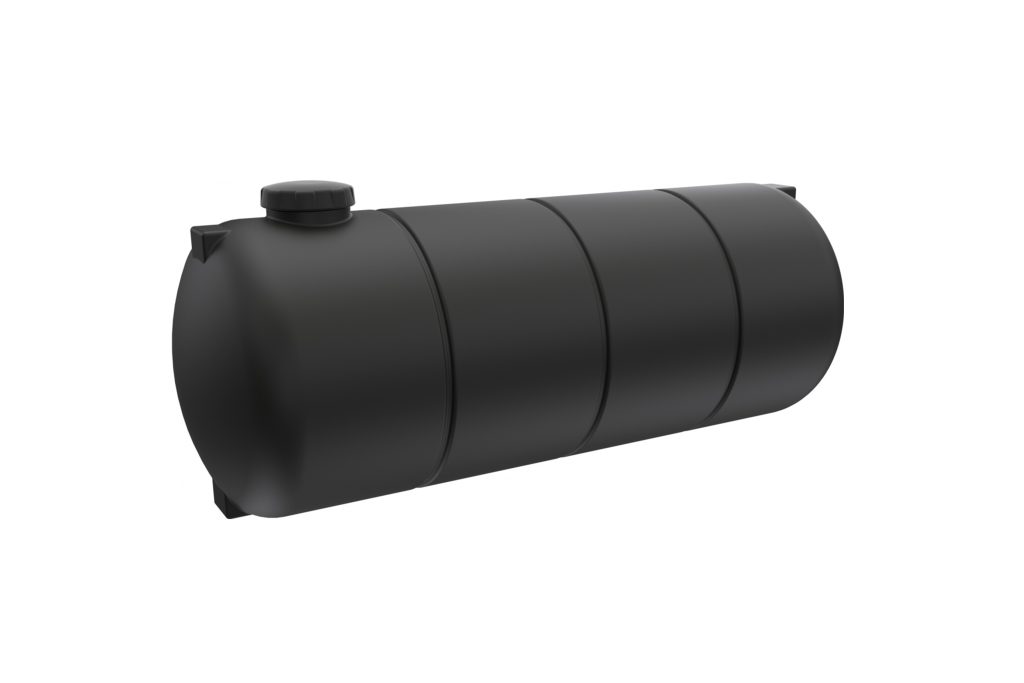
Septic tank installation in clay soil and difficult ground – risks, solutions and technical recommendations
Installing a septic tank in clay soil or on difficult ground requires a different approach from installation in permeable soil. Clay soil absorbs water very slowly, compacts quickly and can become saturated in a short time, which increases the risk of clogged drainage, surface backflow and uncontrolled leaks in the yard.
For the system to work properly in the long term, it is essential to assess the soil type, choose the right construction solution and size the system according to the actual site conditions.
For specialist installation, site assessment and solutions adapted to difficult soils, you can see our Services page.
Why installing a septic tank in clay soil needs special attention
Clay soil has very low permeability and behaves differently from sandy or loamy soils. It retains water, soaks up quickly and can become saturated after rain or heavy use of the system.
In clay soil, drainage cannot absorb water quickly enough, which over time leads to clogging and overloading of the system.
In the long term, the most common risks are:
- odours in the yard
- water backing up to the surface
- saturated drainage
- leaks in the installation area
- high repair costs
For these reasons, installation in clay soil does not follow the same rules as on permeable ground.
How drainage behaves in clay soil
Drainage only works properly when the soil can absorb water gradually.
In clay soil:
- water stays on the surface longer
- drainage pipes fill up faster
- the gravel retains moisture
- the system clogs over time
Incorrectly sized drainage, or drainage installed in unsuitable soil, can cause:
- frequent blockages
- the need to redo the work
- damage to the area around the tank
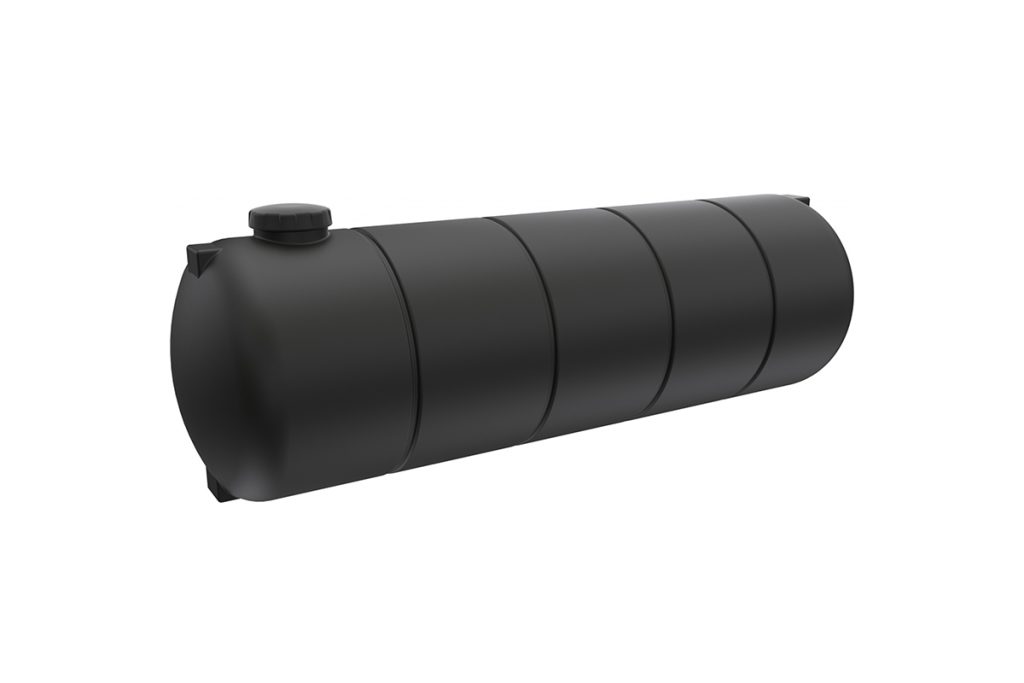
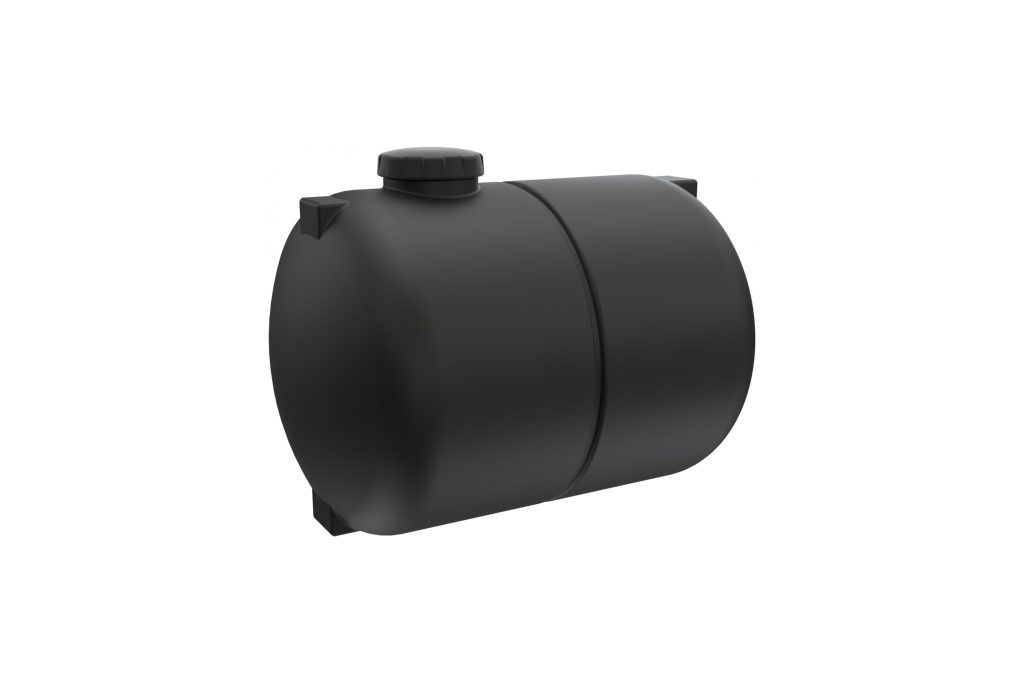
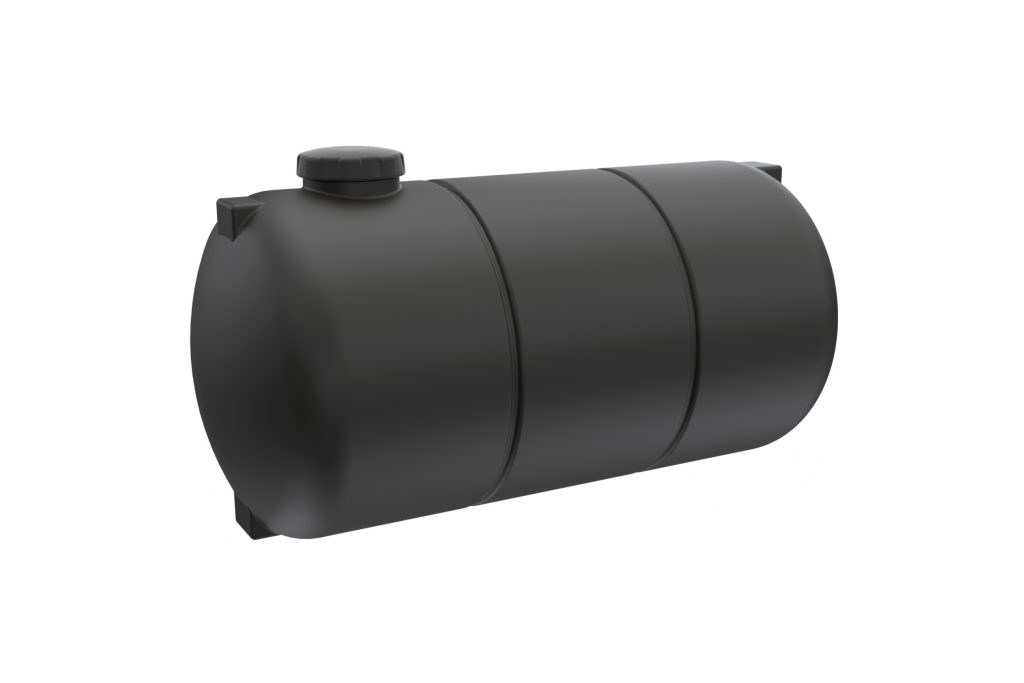
Technically, in most clay soil cases the no-drainage solution is recommended.
When a septic tank without drainage (holding tank) is recommended
A holding tank is recommended in the following situations:
- clay or very compact soil
- ground that becomes saturated after rain
- high water table
- a small yard or no space for drainage
- areas at risk of water build-up
Advantages on difficult ground:
- eliminates the risk of clogging
- does not depend on the soil's capacity
- stable, controlled operation
- predictable maintenance
It is the safe solution when drainage cannot work within the right parameters.
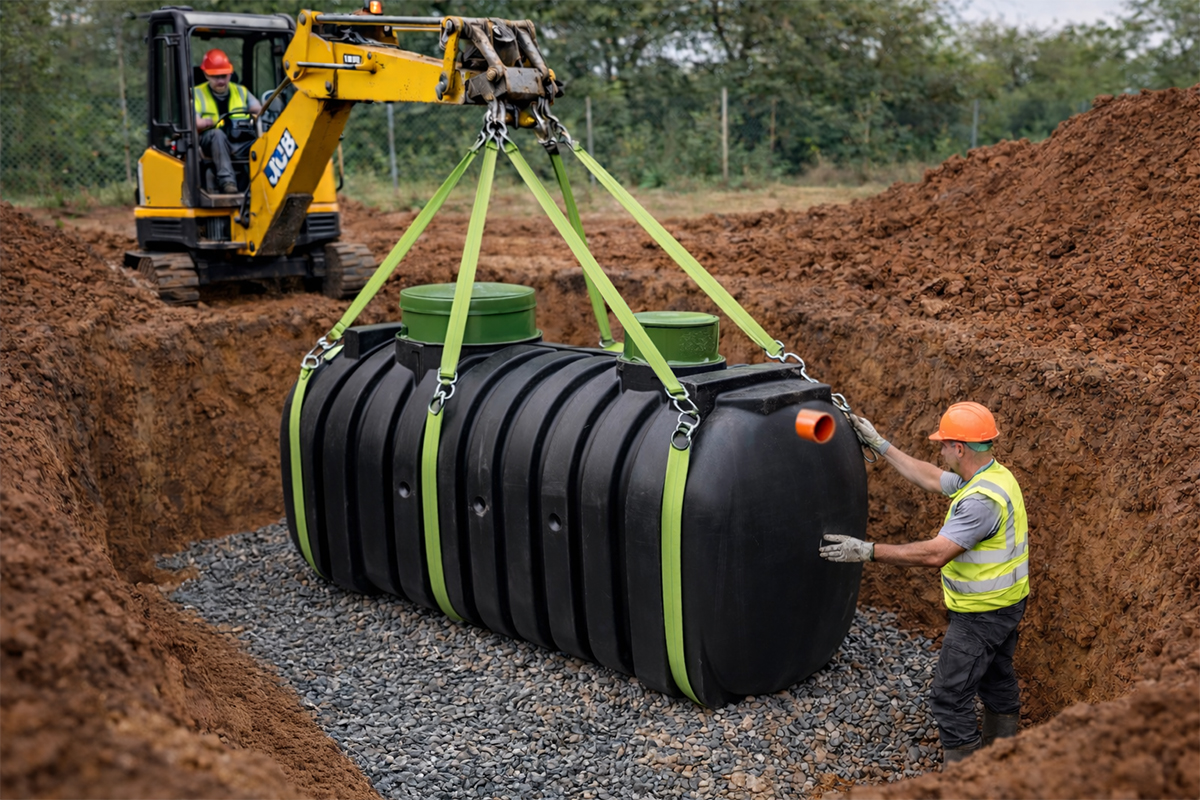
Possible additional work on difficult ground
Depending on the site, additional work may be needed, such as:
- preparing the base layer
- controlled compaction in layers
- adjusting the installation depth
- lateral stabilisation of the pit
- restoring the work area after installation
These measures prevent:
- later soil settlement
- tank deformation
- water building up around the tank
They are essential especially in wet or heavy soils.
Explore our products:
-
26.500,00 RON Original price was: 26.500,00 lei.21.500,00 RONCurrent price is: 21.500,00 lei.
-
38.500,00 RON Original price was: 38.500,00 lei.35.490,00 RONCurrent price is: 35.490,00 lei.
-
41.990,00 RON Original price was: 41.990,00 lei.40.890,00 RONCurrent price is: 40.890,00 lei.
-
Common mistakes when installing a septic tank in clay soil
The most common errors occur when standard solutions are applied without assessing the site:
- installation with drainage in impermeable soil
- insufficiently compacted excavation
- undersized drainage
- installation too shallow or too deep
- installation without analysing how the soil behaves
These mistakes lead to:
- problems appearing after a short time
- additional repair costs
- inconvenience and interruptions in use
A septic system must be designed around the site, not the other way round.
Septic tank in clay soil vs permeable soil – the main differences
In permeable soil:
- drainage works naturally
- water is absorbed gradually
- the system needs correct sizing
In clay soil:
- the soil does not absorb water quickly enough
- the drainage can block over time
- the safe option is a system without drainage
The right solution depends on the actual site conditions.
When a specialist assessment is needed
A technical assessment is recommended when:
- the ground is damp or has puddles
- the soil is heavy, compact or sticky
- a high water table is suspected
- the home will be occupied permanently
- you want a long-term solution
A specialist can recommend:
- the right installation option
- the type of system suited to the site
- the work needed for stability
Making the right decision at installation stage prevents costly problems later.