No products in the basket.
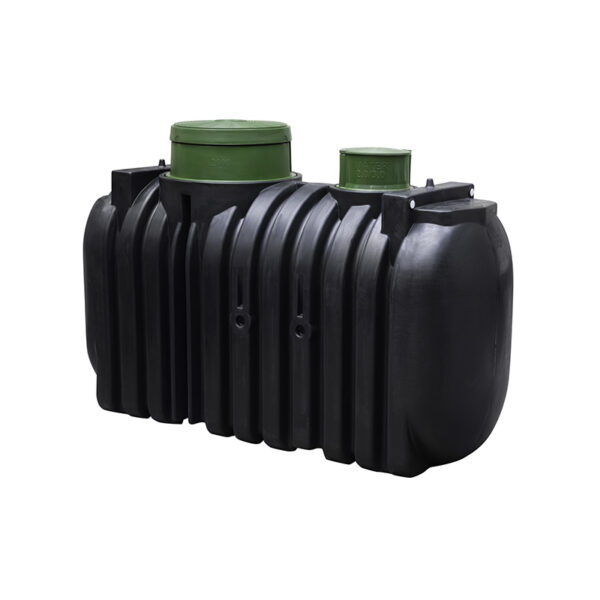
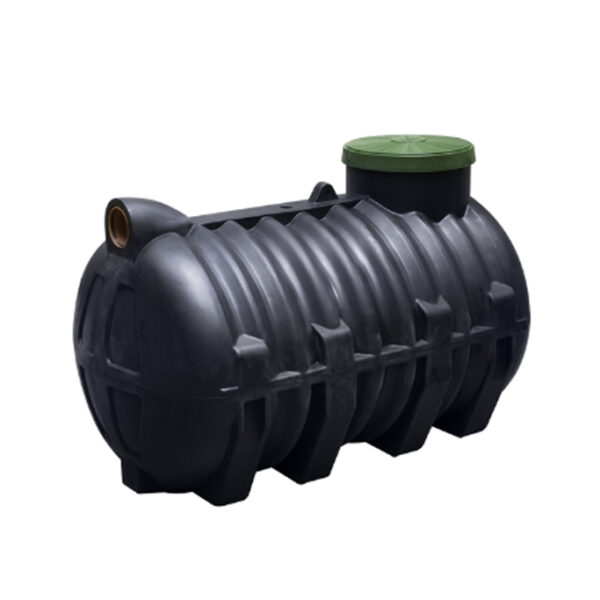

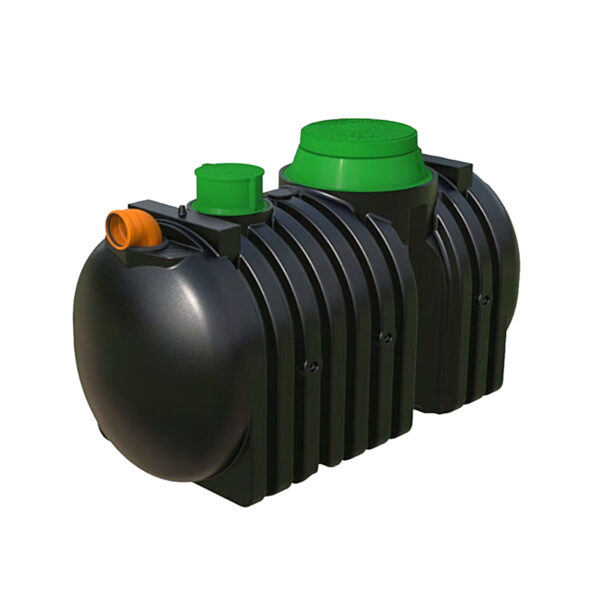

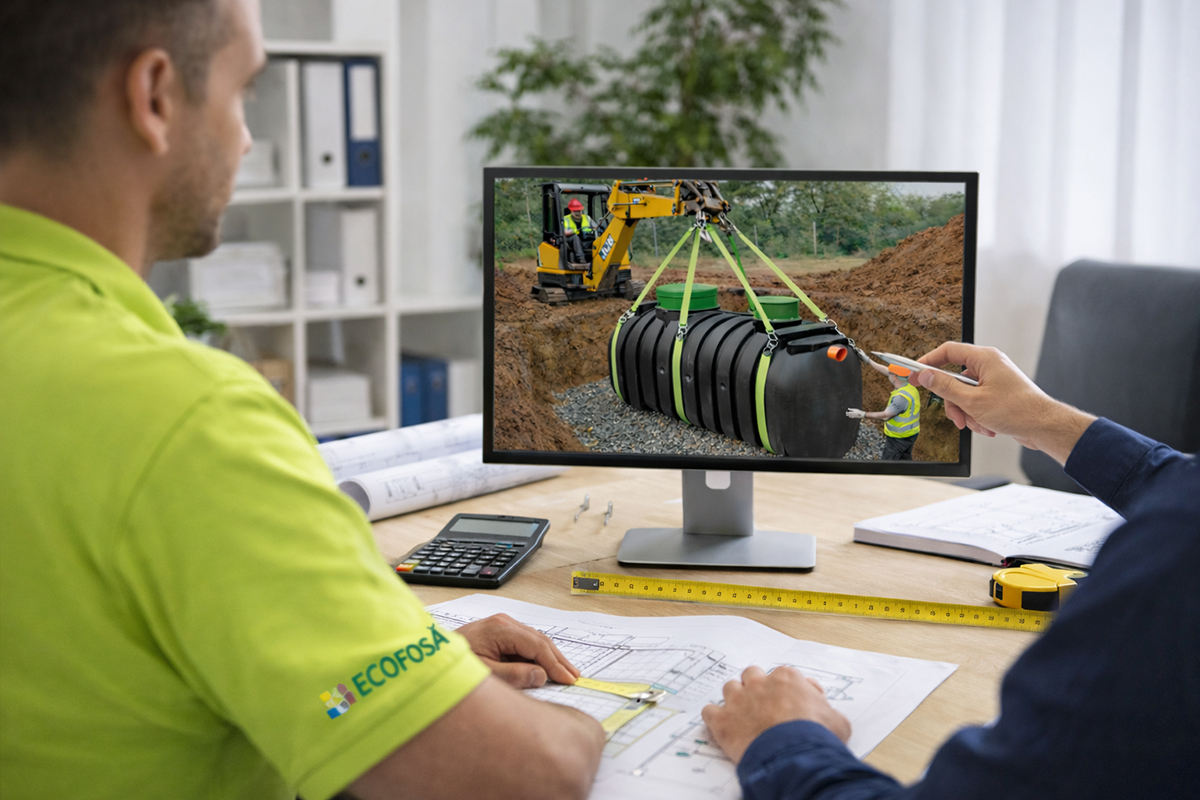
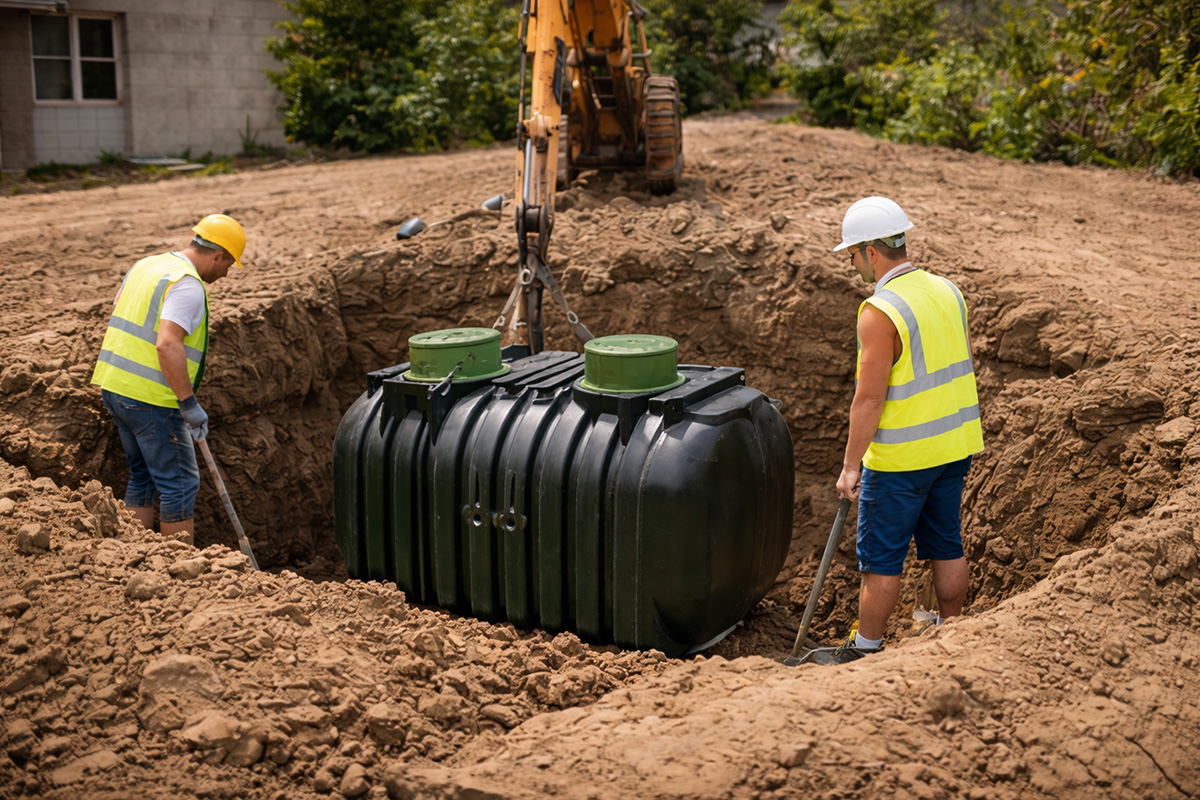
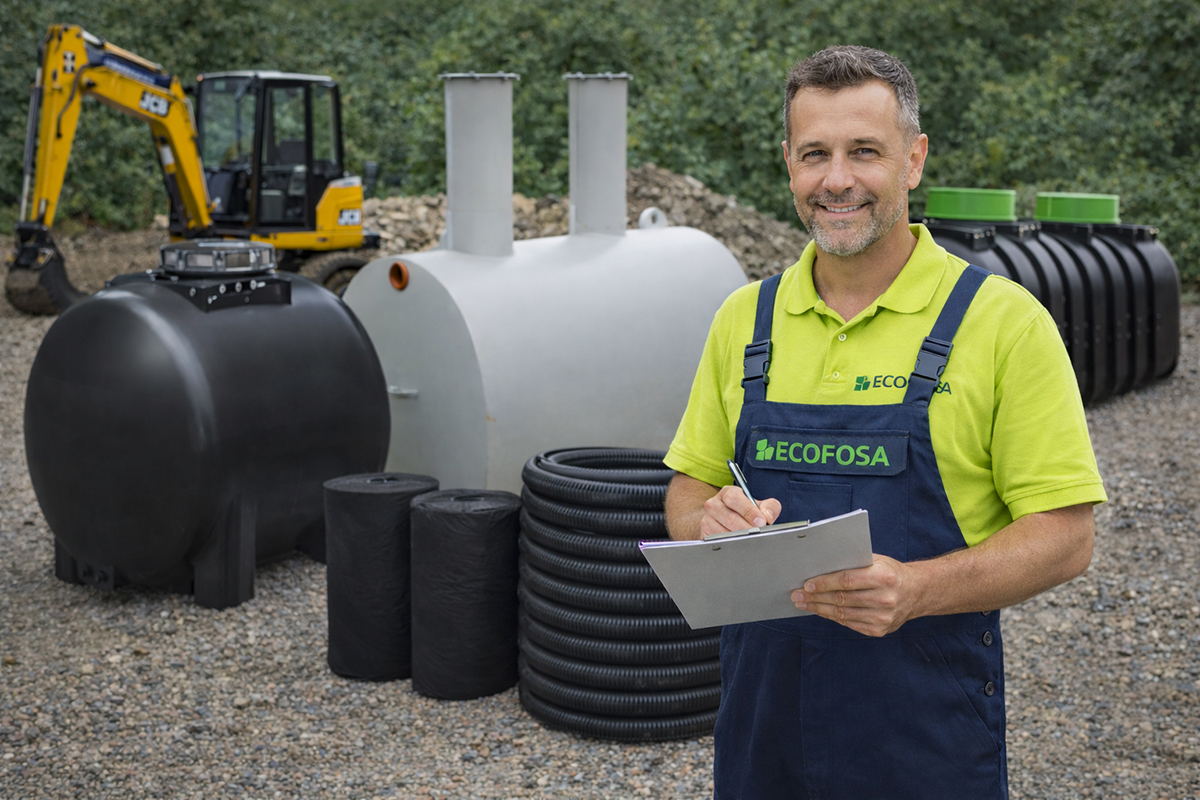
A septic tank is a system for collecting and providing primary treatment of domestic wastewater from homes without access to the sewer network. A septic tank works by separating solid waste from liquids, and the process takes place in several stages:
solid particles settle at the bottom of the tank and form sludge
grease and scum rise to the surface
partially treated water flows to the drainage or filter field
bacteria break down organic matter naturally
A correctly sized and installed septic tank ensures:
reduced odours
stable long-term operation
protection of soil and groundwater
minimal maintenance costs
Modern eco-friendly septic tanks use durable materials, ventilation systems and internal compartments for greater efficiency.
An eco-friendly septic tank is a modern septic tank made from durable materials (usually polyethylene or fibreglass) and designed to provide:
complete watertightness
high resistance to corrosion and pressure
long service life
reduced environmental impact
The main advantages of an eco-friendly septic tank:
no leakage into the soil
reduces the risk of groundwater pollution
needs emptying less often
zero energy consumption
can be installed quickly
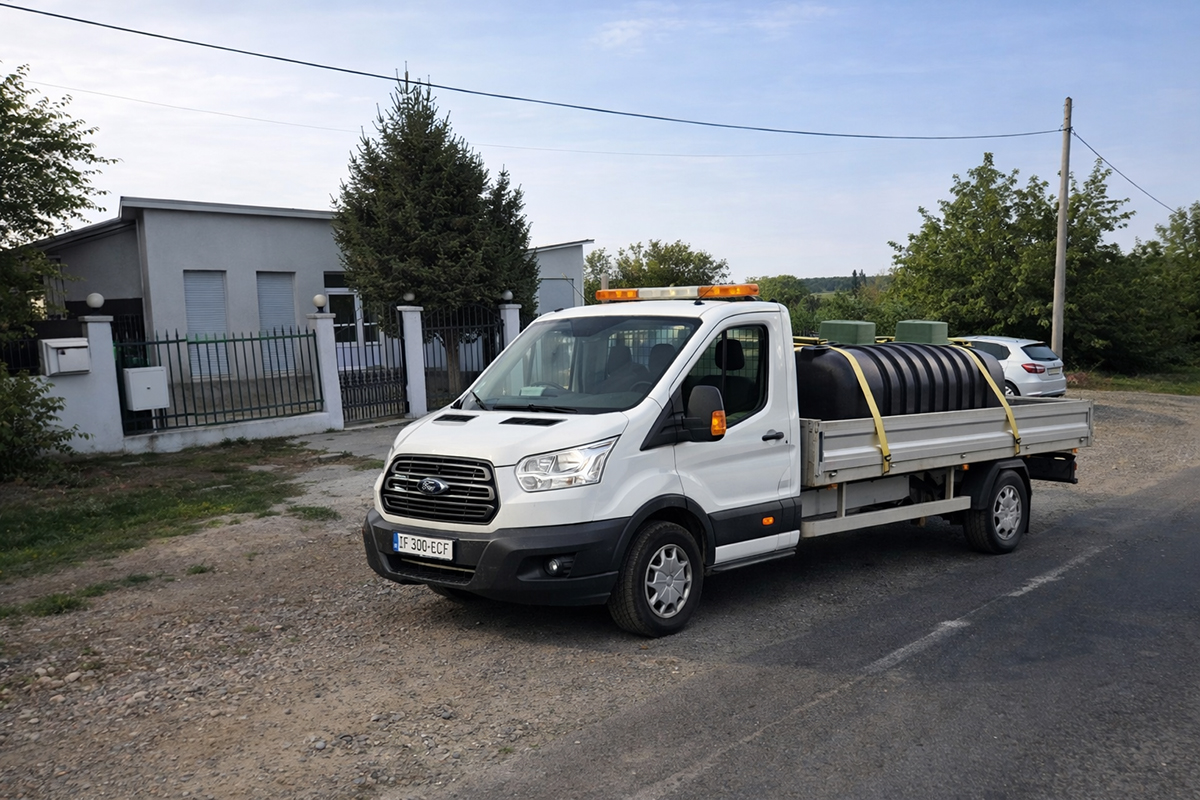
easy to transport and install
Eco-friendly septic tanks are recommended for homes, guesthouses, cabins, residential areas and isolated households.
The price of a septic tank depends on several key factors:
tank volume
number of users
soil type and installation depth
the material the tank is made of
whether a drainage field or additional filters are needed
transport and installation costs
Septic tank prices usually vary by capacity:
septic tank for 2–3 people
septic tank for 4–6 people
septic tank for large families or guesthouses
A fair septic tank price includes not only the tank, but also:
technical advice
correct sizing
recommendations on installation and use
Investing in a correctly sized eco-friendly septic tank reduces running costs in the long term.
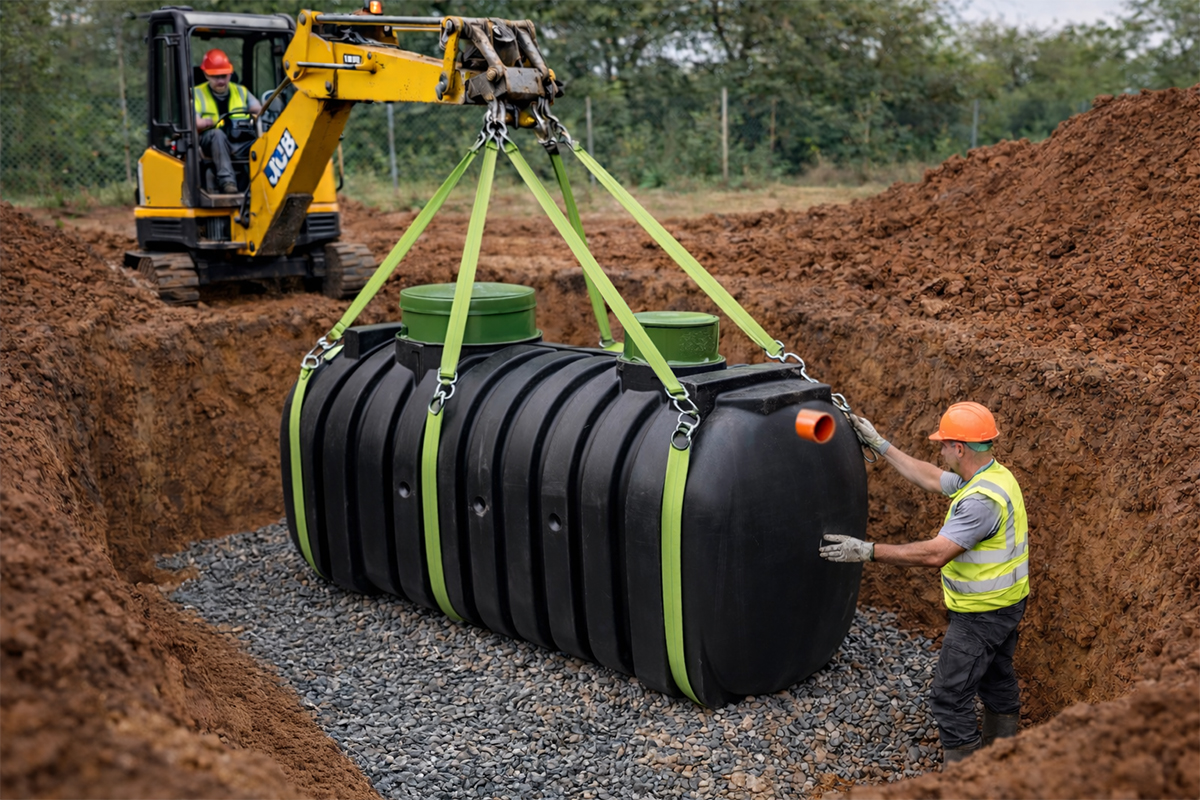
Yes, eco-friendly septic tanks with installation included are available, depending on the project and location. Correct installation is essential for a septic tank to operate safely.
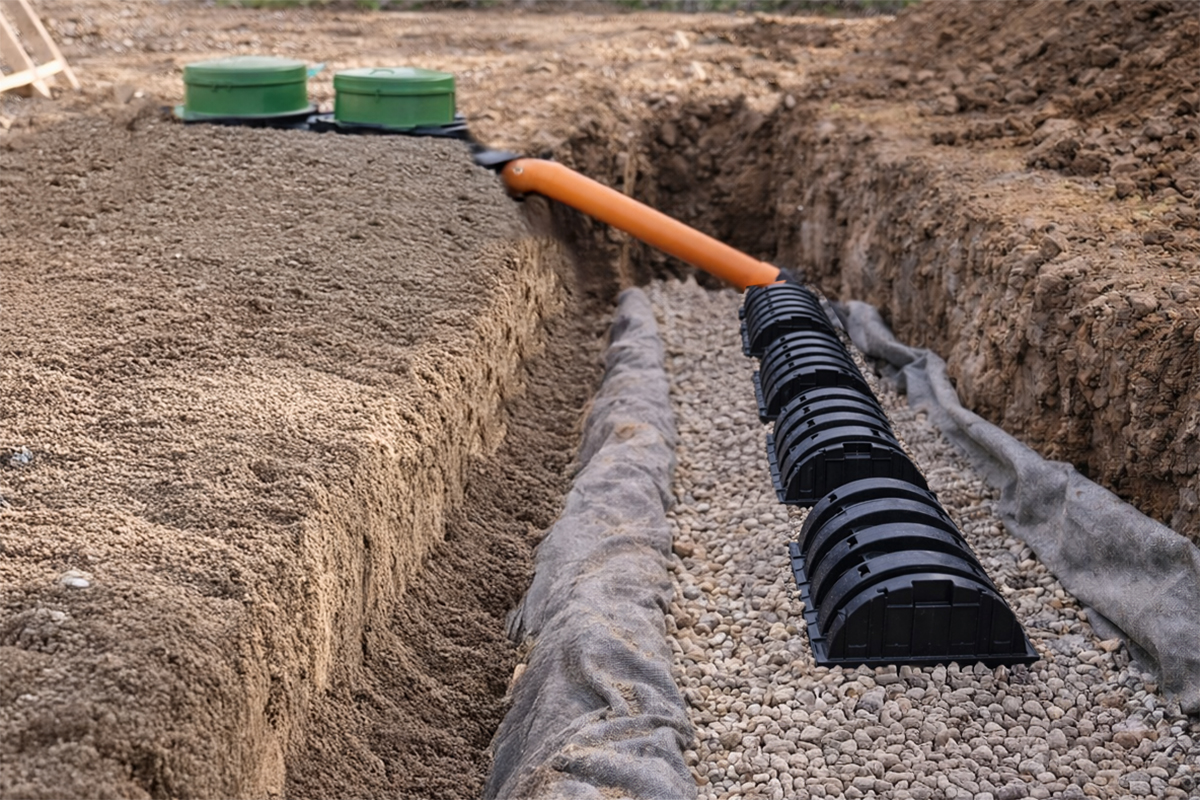
The installation service can include:
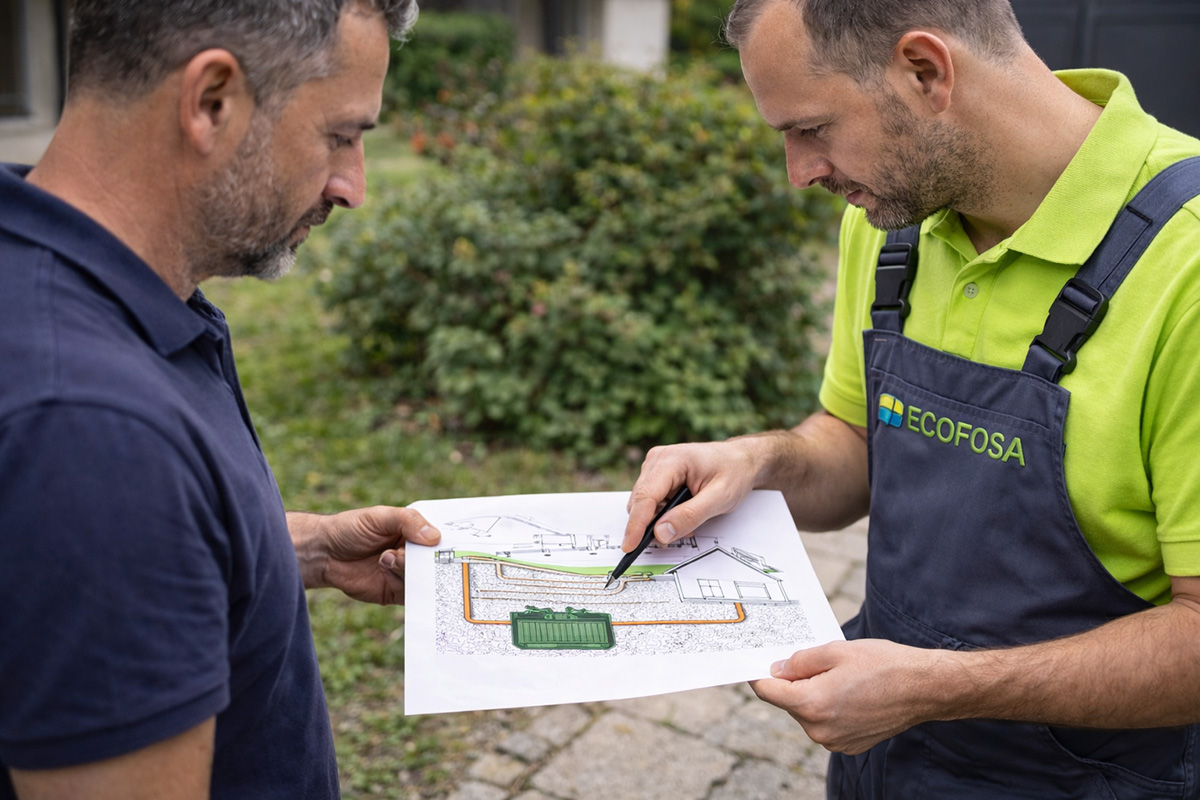
excavation and placement in the ground
preparing the base layer
connecting to the outlet pipework
installing the drainage pipes
leak testing
commissioning tests
Correct installation prevents:
leaks
unpleasant odours
clogging of the drainage
later repair costs
We recommend that installation is carried out by authorised teams.
How quickly a septic tank fills up depends on:
the capacity of the tank
the number of people in the household
water consumption
type of use (permanent home or holiday home)
In general:
a septic tank for 4 people needs emptying roughly every 12–18 months
with high water consumption, the interval can drop to 6–12 months
Responsible use reduces how often it needs emptying:
do not pour oils and fats down the drain
avoid harsh chemicals
limit non-dissolving materials (wipes, wet tissues)
A correctly chosen eco-friendly septic tank fills up more slowly and works more efficiently.
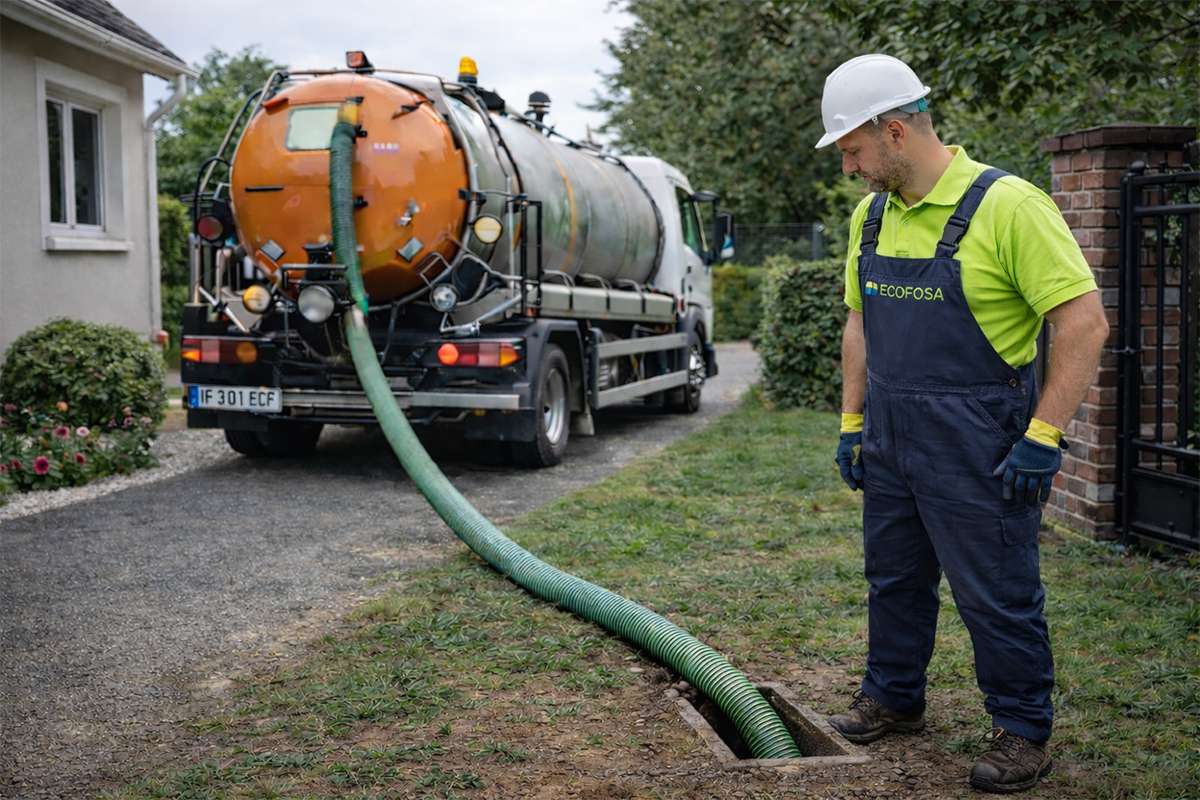
Emptying a septic tank is recommended based on:
the level of accumulated sludge
the capacity of the tank
how it is used
Recommended average interval:
every 12 to 24 months for normal household use
more often in households with high water consumption
Emptying it on time prevents:
blocked pipework
wastewater backing up
odours
damage to the drainage field
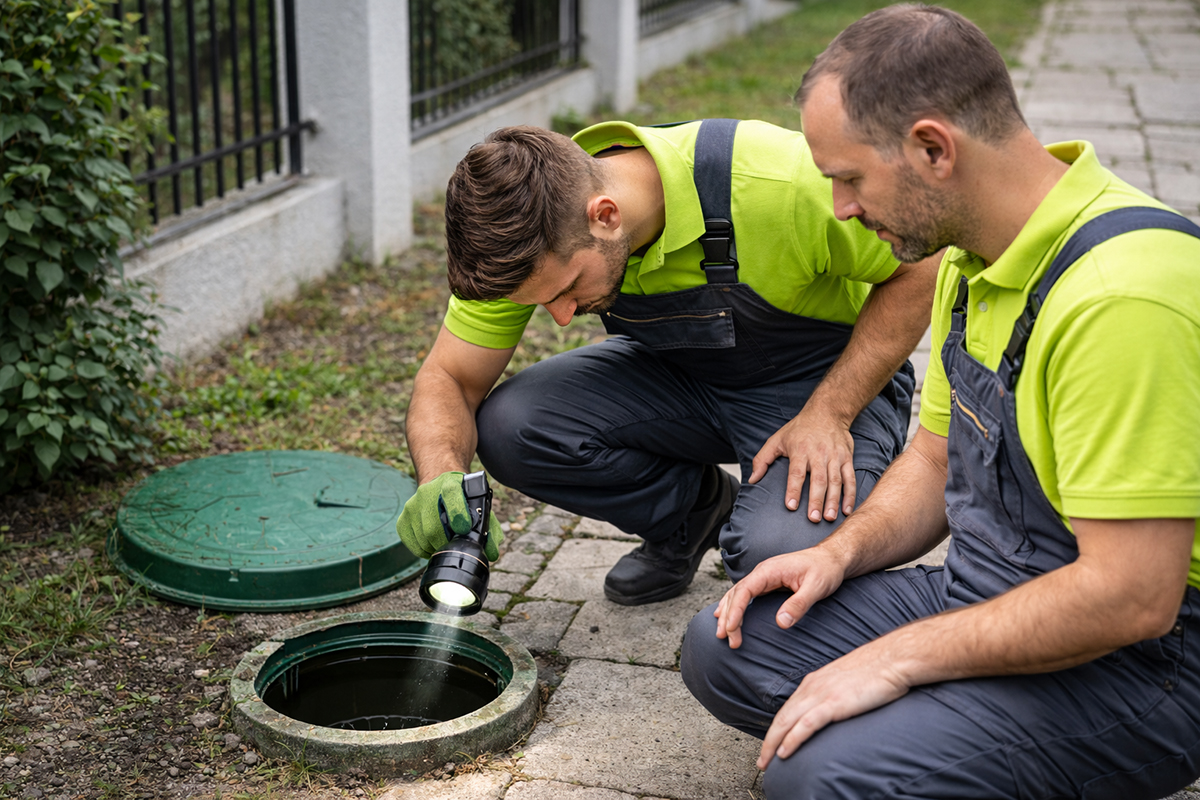
Regular checks of the sludge level are recommended.
The installation depth of a septic tank depends on:
the frost depth of the soil
the soil structure
the inlet level of the outlet pipe
the groundwater level
the requirements of the technical design
In general:
the septic tank is installed below the frost line
the tank must sit on a layer of compacted sand
a protective backfill layer is provided
Installing at the correct depth ensures:
structural stability
correct long-term operation
reduced risk of leaks
An eco septic tank is an environmentally friendly septic tank designed for:
reduced environmental impact
complete watertightness
sanitary safety
durability
Features of an eco septic tank:
durable and recyclable materials
optimised internal compartments
volume matched to the number of users
less frequent emptying
It is a recommended solution for modern households, rural areas and detached homes.
The septic tank chamber is the main tank in which:
domestic wastewater is collected
solid waste is separated from liquids
the natural biological treatment process begins
The role of the septic tank chamber:
it allows sludge to settle
it enables anaerobic digestion
it protects the soil and the environment
it prepares the water for drainage
A correctly sized eco-friendly septic tank chamber prevents:
clogging of the system
wastewater backing up
the need for frequent emptying
Eco-friendly septic tanks designed for emptying allow:
easy access for the vacuum tanker
complete emptying of the tank
efficient sludge removal
They are recommended for:
family homes
cabins
guesthouses
permanently occupied homes
A professional eco-friendly septic tank reduces maintenance costs and extends the service life of the system.