FAQs Contact +40 741 228 382 Whatsapp
Logo Ecofosa – fose septice ecologice
0,00 RON 0

Basket

No products in the basket.
Septic tank without drainage (holding tank) – when it is the right solution and when it is recommended

Vidanjare ECF

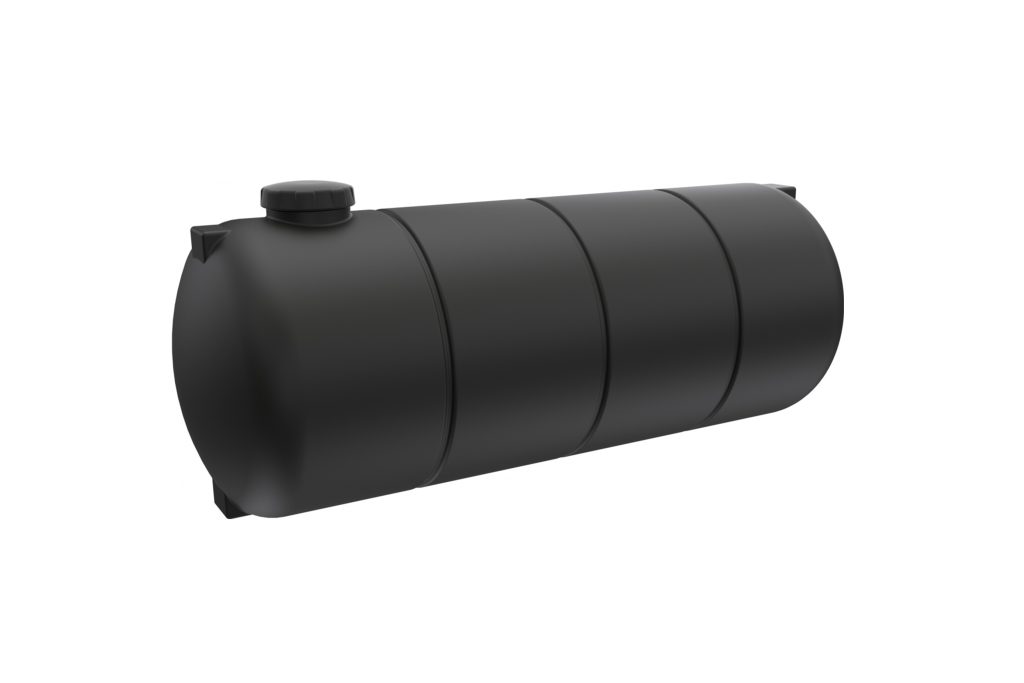
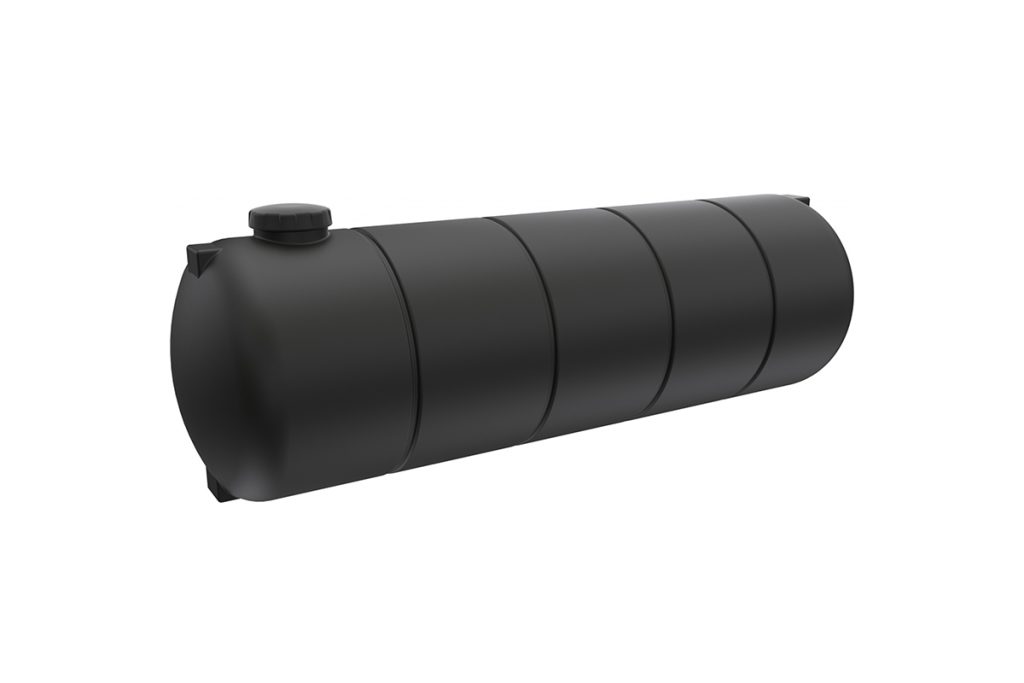
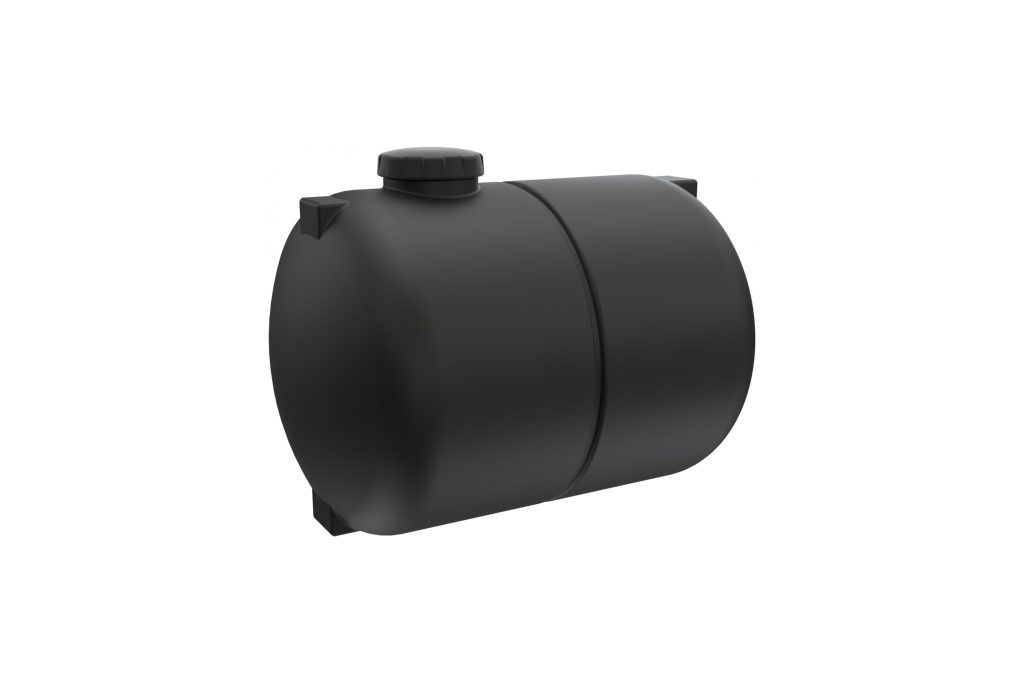
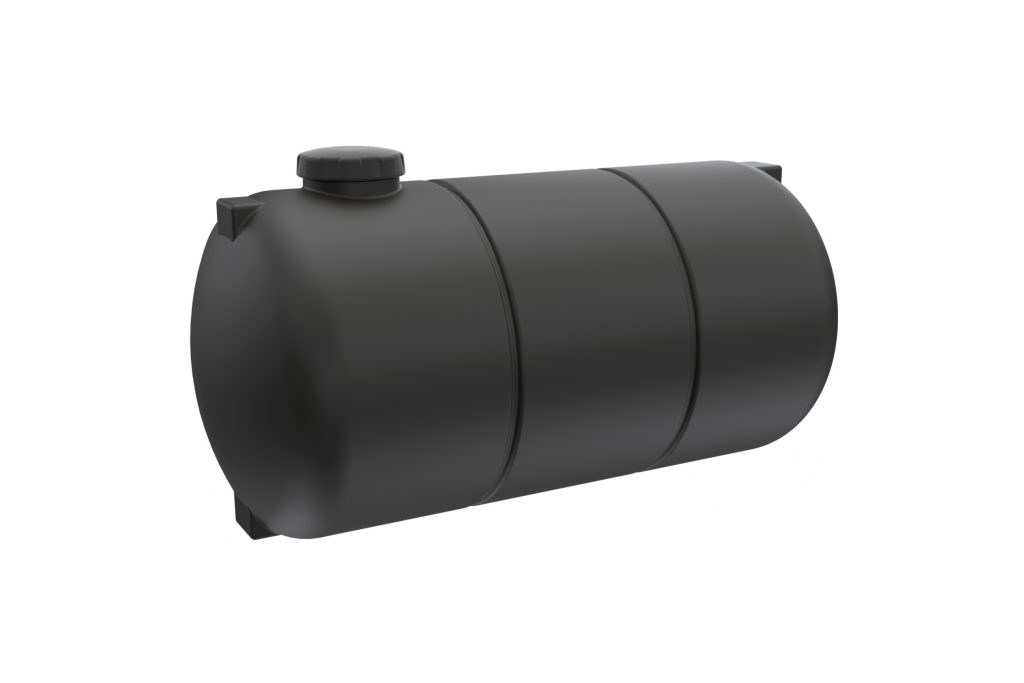
A septic tank without drainage, also known as a holding tank, is recommended where the soil or site conditions do not allow water to soak into the ground through a drainage system.

Unlike a septic tank with drainage, where partially treated water is gradually dispersed into the soil, a holding tank works as a closed tank that is emptied periodically, depending on the volume of use.

This solution is often used in areas with difficult soil, saturated ground or a high water table, where installing drainage would bring a high risk of clogging, backflow or uncontrolled leakage.

For complete advice, installation and site assessment, see our ECOFOSA services.

What a septic tank without drainage (holding tank) means

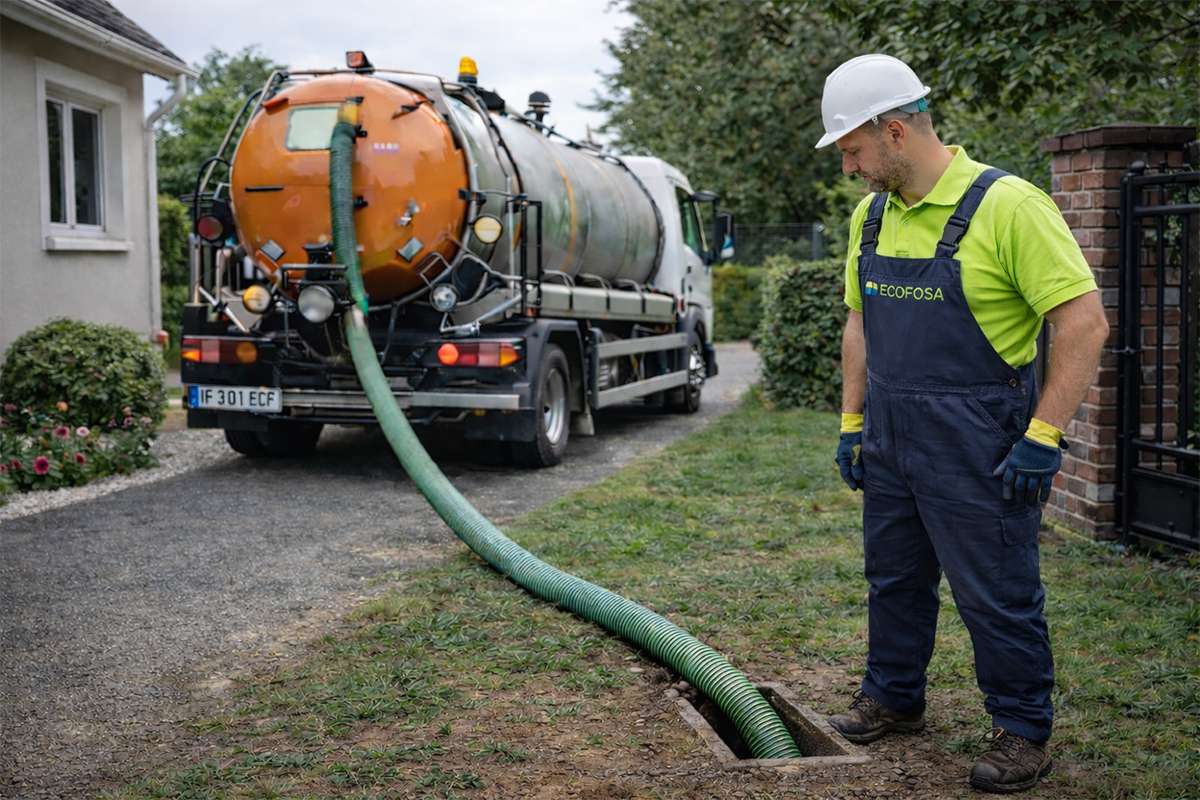
A septic tank without drainage is a closed system with no discharge into the soil, in which all wastewater is collected in the tank. There are no perforated pipes, drainage field or gravel layer, and the tank is emptied only by a vacuum tanker.

This option is designed specifically for sites where the soil cannot absorb water naturally or where discharge into the soil would be unsafe or non-compliant.

The system is safe, stable and easy to manage, as long as the volume is sized correctly and emptying is done at the recommended intervals.

When drainage CANNOT be installed for a septic tank

On some sites, drainage is not recommended for technical and safety reasons.

Clay or very compact soil

Clay soil absorbs water very slowly.

Problems that can occur:

  • the drainage clogs quickly
  • water stays on the surface
  • odours and backflow occur
  • the soil becomes saturated and stops draining water

On this type of ground, the no-drainage option is the right one.

High water table

If the groundwater level is close to the surface:

  • the drainage can no longer discharge water
  • pressure in the soil increases
  • water can flow back towards the tank

In these situations, a holding tank is the safe solution.

Ground exposed to water or areas where water collects

Examples:

  • areas with heavy rainfall
  • sloping ground or hollows
  • yards where puddles often form

Drainage cannot work in permanently saturated conditions.

When a holding tank is recommended

A septic tank without drainage is suitable in the following situations:

  • clay or impermeable ground
  • high water table
  • small yards or no space for drainage
  • seasonal use (holiday home, cabin)
  • areas where a closed system is required

It is a stable, easy-to-maintain solution, if sized correctly.

Advantages of a septic tank without drainage

The main advantages include:

  • minimal risk of leaks into the soil
  • does not depend on the soil type
  • stable long-term operation
  • no risk of drainage clogging
  • predictable maintenance through emptying

It is one of the safest solutions for difficult sites.

How often is a septic tank without drainage emptied?

How often it needs emptying depends on:

  • the tank volume
  • number of users
  • how much the home is used
  • daily water consumption

In general:

  • for permanent homes – periodic emptying set after assessment
  • for holiday homes – intervals can be longer

Monitoring the level in real time during the first months of use is recommended.

Common mistakes when using a holding tank

The most common problems occur when:

  • the tank is undersized
  • the emptying schedule is not followed
  • unsuitable substances are put into the system
  • the tank is not installed on a stable base layer
  • soil settlement after installation is ignored

Most problems can be prevented through correct installation and guidance on use.
Explore our products:

Septic tank with or without drainage – which to choose for your site

In short:

  • septic tank with drainage – only in permeable soil
  • septic tank without drainage – in difficult or saturated soil

The decision should not be based on cost alone, but on:

  • long-term safety
  • how the soil behaves
  • how the space is used

The wrong solution can cost much more over time.

When a specialist assessment is needed

A technical assessment is recommended when:

  • you do not know the soil type
  • the site has wet areas or puddles
  • the system will be used intensively
  • you want a stable, predictable solution

A septic tank without drainage is a safe option when it is chosen correctly and installed professionally.
    Recent articles

    All rights reserved @ GSD ECOPUR S.R.L., registered office: Ilfov County, Ciolpani, Calea București-Ploiești no. 2, VAT ID: 51383342, Trade Reg. No.: J2025015121003