No products in the basket.
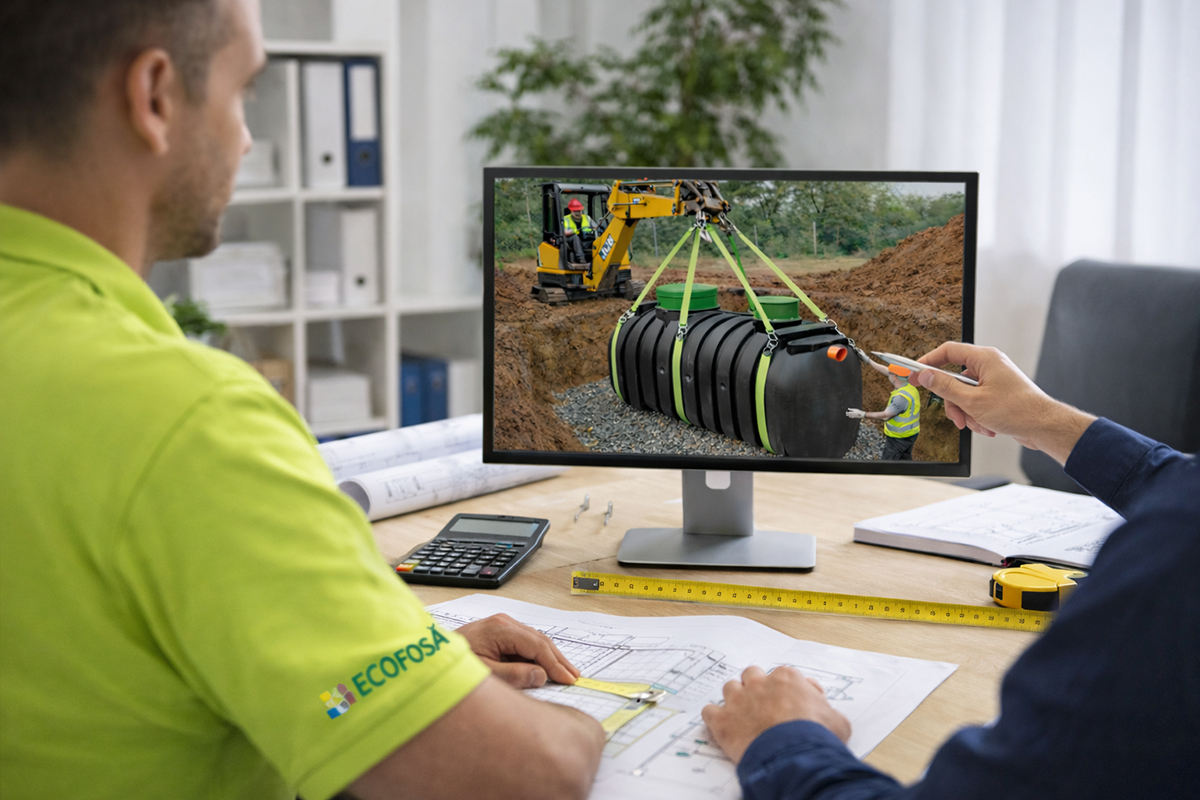
Installing an eco-friendly septic tank is not just about digging a hole and putting the tank in the ground. Correct installation follows clear technical steps, sizes the system correctly and adapts the work to the soil type and site conditions.
Incorrect installation can lead to leaks into the soil, unpleasant odours, clogged drainage, tank settlement and high repair costs later. That is why installation should be carried out by a specialist team experienced in eco-friendly septic tanks.
Correct installation of an eco-friendly septic tank involves several stages, each important for the system to work properly and last:
The first stage is digging the pit for the septic tank. The depth and size of the pit depend on the height of the tank, the fall of the drain pipe from the house, the frost depth and machinery access to the site.
The ground is levelled and a stable base layer is prepared (usually well-compacted sand or gravel), so that the tank does not rest directly on uneven or unstable soil.
The septic tank is positioned in the pit so that it is perfectly level. A tank installed at an angle can affect water flow and the internal compartments, and over time can cause watertightness problems or clogging.
At this stage, the inlet and outlet connections are also aligned, so that connection to the indoor plumbing and drainage is made without strain or deformation of the pipes.
Once positioned, the tank is partly filled with water (where the manufacturer recommends this), and the space around it is gradually backfilled with fill material (usually sand or soil without large stones) in successive layers.
Each layer is lightly compacted to prevent later settlement, which could affect the stability of the tank or access cover. This stage is essential for the long-term safety of the system.
In the final stage, the septic tank is connected to the house drainage and, if applicable, to the drainage field. The pipe fall, the watertightness of the joints and the overall operation of the system are checked with water tests.
Correct installation also includes explaining to the customer how to use the system, how often to empty it and which substances should not go into the septic tank.
For a complete picture of groundwork, excavation and soil preparation, see the page ECOFOSA services, which describes the infrastructure work associated with installation.
Septic tank drainage is the system that takes partially treated water from the tank and disperses it into the soil. It is usually made of perforated pipes laid in a gravel layer, which let the water gradually soak into the surrounding soil.
Drainage is especially recommended in areas with permeable soil (sandy or well-drained loam), where the soil can absorb water naturally without creating puddles or overly wet areas.
The classic drainage system uses perforated pipes laid in trenches filled with gravel. Water flows out through the perforations and soaks into the soil. The pipes must be laid with a slight fall, and the length of the drainage must match the volume of water discharged.
Some layouts use more compact drainage areas, with a gravel bed under and around the pipes, for even water distribution. Sizing is based on the daily flow and the soil type.
Drainage is not recommended in areas with clay soil, very low permeability or a high water table. In such cases, the soil cannot absorb water quickly enough, and the risk of saturation and pollution increases.
In these cases, the right solution is a holding tank without drainage, with an emptying schedule adapted to the volume of use.
To see the range of eco-friendly septic tanks available, visit the dedicated product category: eco-friendly septic tanks.
The choice between a septic tank with drainage and one without depends mainly on the soil type, the water table and site conditions.
A septic tank with drainage suits permeable soils, where the water can gradually be absorbed by the ground. A holding tank (no drainage) is recommended for heavy or clay soils, or areas with a high water table.
The cost of installing a septic tank depends on several factors:
The labour price for installing a septic tank is best set after an on-site assessment. After the consultation, we can estimate a total cost that includes excavation, site preparation, installing the tank and any drainage.
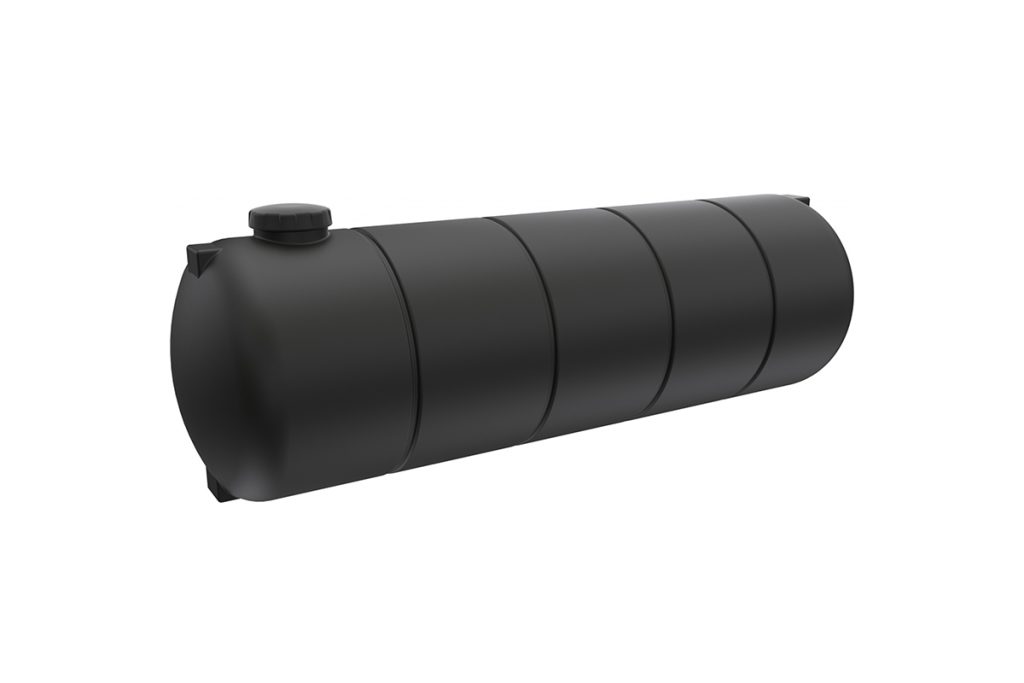
The most common septic tank installation mistakes include:
All these problems can lead to unpleasant odours, backflow, leaks or even the need to relocate the whole system. Working with a specialist team minimises these risks, and the system is sized and installed correctly from the start.
An eco-friendly septic tank can be used for permanent homes as well as holiday homes, cabins, guesthouses or commercial premises in areas without sewers. The right volume and configuration are chosen based on the number of users and the type of use (permanent or seasonal).
For larger projects, such as guesthouses, campsites, farms or production units, commercial or industrial solutions can be configured, with larger volumes and systems adapted to the actual flow.
If you have a commercial or industrial project, talk to us about configuring a dedicated eco-friendly septic tank solution for your business.
In most cases, complete installation of a septic tank for a home can be done in a single working day, if site access is good and the weather allows. For more complex projects or difficult soils, the work may be spread over two days.
A technical design helps size the system correctly based on the number of people, water consumption, soil type and whether drainage is possible. Even if it is not always formally required, we recommend a technical assessment and an outline sketch, especially for new projects or systems for a larger number of users.
Yes. In areas with heavy soil or a high water table, the right option is a holding tank without drainage. In this case, the water does not soak into the soil, and the tank is emptied periodically by a vacuum tanker, at intervals based on the tank volume and level of use.
In theory you can try a DIY installation, but the risk of getting the excavation, levelling, drainage or connections wrong is very high. An incorrectly installed septic tank can cost more than having it done properly from the start by a specialist team. That is why we recommend professional installation.
Whenever you are looking at a long-term investment, heavy use or difficult soil, it is advisable to use a specialist team. Correct installation means safety, stable operation and lower maintenance costs over time.
If you need an eco-friendly septic tank for your house, cabin or a commercial project, we recommend talking to a team that specialises in advice, installation and groundwork.